Major Jonathan Heart
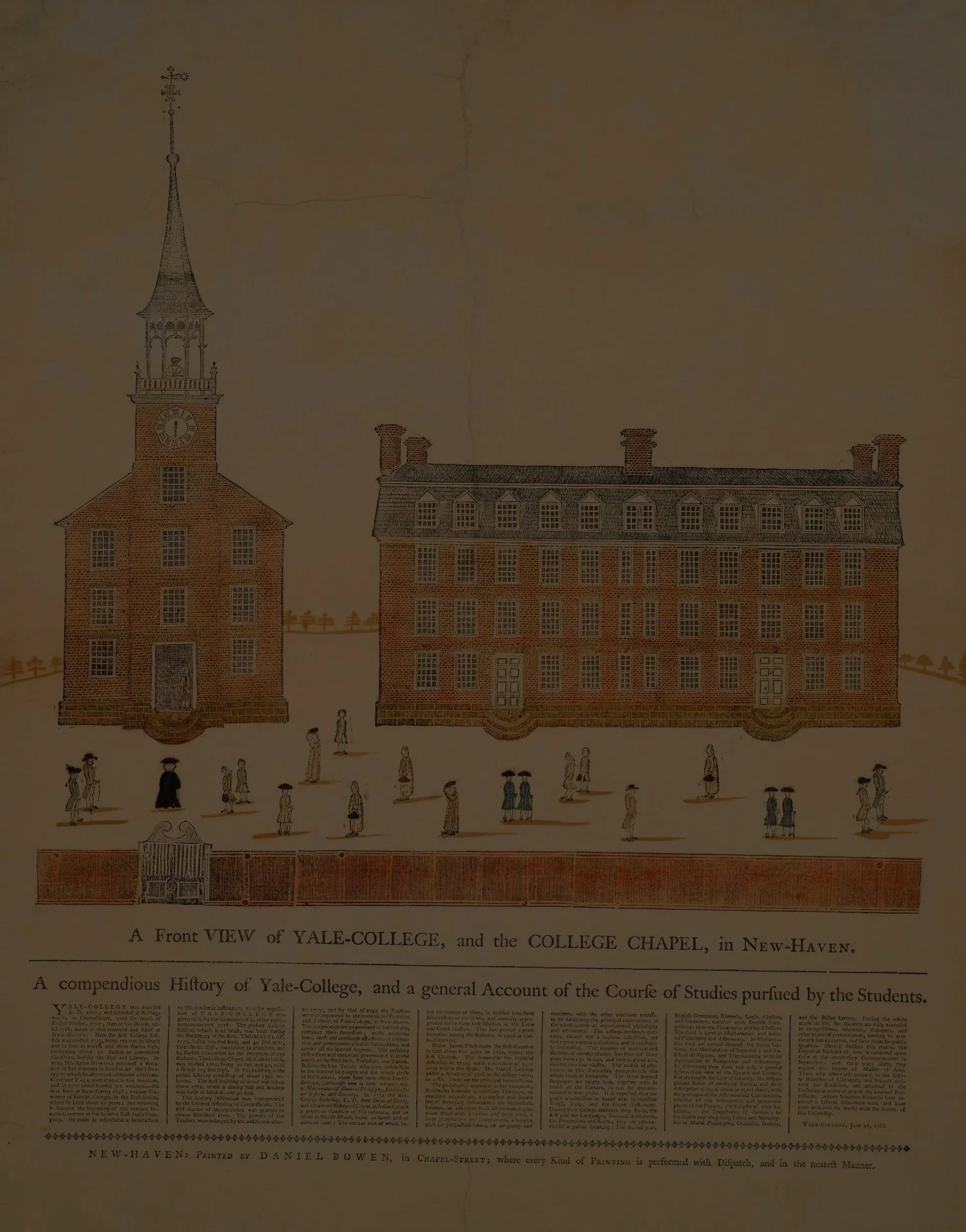
Major Jonathan Heart was born in 1748 in Kensington, Connecticut, and graduated from Yale College in 1768, earning him one of the most distinguished academic credentials among the men buried at Fort Recovery. After graduation, he worked briefly as a schoolteacher in New Jersey before returning to Connecticut to pursue a career in trade. When the Revolutionary War began, Heart volunteered for service in 1775, serving before Boston in the earliest days of the conflict. He was commissioned an Ensign in 1776, rose to Captain-Lieutenant in 1779, and was promoted to Captain in 1780. He served as Brigade Major until November 1783, remaining in active service until the Continental Army was finally disbanded. In 1777, he married Abigail Riley, and the couple had one son, Alces Everlin Heart, born in 1782.
Heart was a devoted Freemason whose Masonic legacy outlasted his lifetime. He was a member of American Union Lodge No. 1, a traveling military lodge that served the Continental Army at West Point during the war. He served as Worshipful Master of the lodge in 1779 while it was still a traveling military lodge, and remained its guiding leader when it was reorganized in Marietta, Ohio in 1790 - a testament to his continued commitment to both his craft and the frontier he had helped to settle. After the war, Heart returned home to a failed business, and after attempting a career as a surveyor, re-enlisted in the army. He was appointed Captain of the United States Infantry in June 1785, Captain of the 1st United States Infantry in September 1789, and promoted to Major of the 2nd United States Infantry on March 4, 1791.
That same year, Heart joined General Arthur St. Clair's campaign into the Northwest Territory. On November 4, 1791, when the Native American confederacy launched its devastating dawn attack on the encampment along the Wabash River, Major Heart was killed while covering the retreat of St. Clair's shattered army. It was among the last acts of courage recorded that terrible morning. His remains were identified approximately one month after the battle. He is buried in the mass grave beneath the battlefield monument at Fort Recovery, Ohio.
In Heart’s honor, the Grand Lodge of Free and Accepted Masons of Ohio created the "Major Jonathan Heart - Service to Country Award," presented to Lodge members and members of the public who have served honorably in the United States military, a living tribute to a man who gave everything in service to his country.
Source
Lytle, Richard M. The Soldiers of America's First Army, 1791. Lanham, Maryland: Scarecrow Press, 2004.
"Heart/Hart, Jonathan." The Society of the Cincinnati in the State of Connecticut. https://www.theconnecticutsociety.org/hearthart-jonathan/.
"Major Jonathan Heart — Service to Country Award." Grand Lodge of Free and Accepted Masons of Ohio. https://www.freemason.com/major-jonathan-heart-service-to-country-award/.
"[Diary Entry: 9 July 1790]." Founders Online. National Archives. https://founders.archives.gov/documents/Washington/01-06-02-0001-0007-0009.
"Jonathan Heart, of Southington." Connecticut Continental Troops, Second Regiment — General Spencer, 1775. American Wars. https://www.americanwars.org/ct-american-revolution/connecticut-continental-troops-second-regiment-1775.htm.